



Enneagram 1 at Work: The Strict Perfectionist
If you are an Enneagram 1 or you work with one, this will feel familiar.
Standards matter. Quality matters. Doing the right thing is not optional, it’s fundamental. When something feels off, when expectations slip or when a decision lacks integrity, Type 1 notices and feels a responsibility to act.
At its heart, Enneagram 1 is about responsibility and doing what is right.
What does Enneagram 1 look like at work?
In day-to-day work, Types 1s operate from a strong moral compass. They want to do the right thing and they want work to be done properly. This shapes how they approach tasks, decisions and relationships.
They care deeply about standards, process and follow-through. Cutting corners rarely feels acceptable, even when it would be quicker. They tend to treat people consistently and often hold themselves to higher standards than they expect of anyone else.
Because Enneagram 1 sits in the Action Centre, their instinct is to fix what is wrong. When something feels incomplete or inefficient, there is an internal pressure to step in. Work is often experienced as a set of responsibilities that need to be carried and completed.
Many 1s take on more than is strictly theirs. They work hard, set high expectations and stay focused on the next right thing that needs doing. This drive is powerful but demanding.

Core Fear
Underneath this motivation sits a core fear of being wrong, bad or morally flawed.
In the workplace, this can show up as a fear of being found out, falling short or not being good enough. Many Enneagram 1s live with a strong inner critic that constantly points out what could be better, cleaner or more principled.
This fear is rarely conscious, but it drives a relentless push to improve. Detail, quality and process become ways of staying on the right side of an internal line between good and not good. Getting it right is not about perfection for its own sake, it is about integrity.
Motivations
Enneagram 1s are motivated by excellence, integrity and responsibility. They want clarity about what good looks like and they want to know that what they are doing is ethical and correct. Motivation is rarely a problem. Slowing down and switching off often is.
They tend to enjoy tactical short-term delivery. Goal setting, planning and breaking work into clear steps plays to their strengths. They spot flaws quickly and feel compelled to address them.
Delegation is possible when expectations are clear. Enneagram 1s want to trust that quality will be upheld. While they can be strategic leaders, their natural pull is towards the here and now. Growth often involves learning how to hold today’s demands alongside tomorrow’s possibilities without feeling irresponsible.
Strengths
When resourced, Enneagram 1s bring enormous value. As leaders, they are reliable, conscientious and willing to take responsibility. They lead by example and rarely ask others to do something they would not do themselves.
Their feedback may be direct and sometimes uncompromising, but it’s usually fair. People tend to know where they stand with a healthy Enneagram 1. There is consistency and justice in how they operate.
They often thrive in operational leadership, transformation delivery, governance and roles where ethics and follow-through matter.
In teams, they bring discipline and structure. Decisions are clarified, ownership is named and actions are followed through.
Teams with strong Type 1 energy tend to be organised and clear. Meetings end with actions and work moves forward.
Weaknesses under stress
The same drive that makes Enneagram 1s effective can become costly under stress.
Because they already hold themselves to high internal standards, external criticism can land hard. Even constructive feedback may feel personal and confirming of the fear of not being good enough.
Under sustained pressure, the inner critic can become relentless. 1s may appear composed while experiencing significant internal strain. Burnout is a real risk.
Anger is another challenge. Enneagram Type 1s often work hard to keep it contained, believing it is unhelpful or inappropriate. Instead, it can leak out as irritation, frustration or tightly controlled criticism. In teams, this may show up as micromanaging or sharper feedback.
We see this clearly in senior leaders with strong Enneagram 1 preferences.
One leader we worked with was leading a complex transformation in a financial services organisation. Her grasp of detail and delivery was essential. However, under pressure, her standards sometimes landed as criticism.
Through coaching and the iEQ9, she learned to pause and become curious before stepping in. That shift improved relationships and strengthened her leadership impact. She remains a highly effective operator and now leads with greater trust and influence as a COO in a major organisation.
Enneagram 1 in conflict: how do they respond?
In conflict, Enneagram 1s default to principles. They want to be fair and correct. They often frame disagreement in terms of right and wrong, rather than difference or perspective. This can make them appear black and white, even when they are trying to be constructive.
Because they are sensitive to criticism themselves, they may become defensive if challenged, particularly if feedback feels vague or unfair. Specific, grounded feedback lands far better than general critique.
When conflict escalates, unexpressed anger can surface. Enneagram 1s may surprise others with the intensity of their frustration when it finally breaks through.
Enneagram 1 in teams and professional relationships
In teams, Enneagram 1s are often the operational backbone. They bring follow-through, discipline and clarity. They care deeply about fairness and will try to treat people consistently. They will not ask others to do things they are unwilling to do themselves.
Teams without enough Type 1 energy often struggle with execution. Conversations are rich, ideas are plentiful, but ownership and follow-through are weak. Adding disciplined structure, clear actions and review points can be transformative.
We worked with a leadership team with very little Type 1 energy and a strong bias towards Enneagram Seven. They were creative, optimistic and fast-moving, but struggled to land decisions. Introducing four simple questions changed everything:
- What decision have we made?
- How will this be implemented?
- Who is responsible?
- How will we review progress?
That is disciplined structure at work.
Enneagram 1 jobs: what roles and leadership contexts suit this type?
Enneagram Type 1s thrive in jobs where quality, responsibility and delivery matter. They are often well-suited to COO roles, operational leadership, transformation delivery, finance, governance, project management and roles that require precision and follow-through.
They may feel less able to contribute in environments dominated by abstract strategy with little connection to action. They do best when purpose is clear, values are explicit and standards matter.
How to work effectively with Enneagram 1
If you work with an Enneagram 1, remember that they are already giving themselves a hard time.
Their intent is usually positive. When they speak up, it is about doing the right thing rather than dominating.
Feedback works best when it is specific and constructive. Start with what is working and be clear about what you would like to change and why. Avoid vague criticism or language about right and wrong.
Recognition matters. Enneagram Type 1s want to be seen for their effort and integrity, not only for what they missed.
Growth and development for Type 1 leaders
Growth for Enneagram 1 involves loosening the grip of obligation and opening up possibility.
This often means reconnecting with creativity and emotional honesty, stepping back from detail and tolerating imperfection without self-attack.
Learning to rest, switch off and trust others more fully can feel uncomfortable but it increases effectiveness rather than diminishing it. Over time, 1s move from rigid standards to wise discernment.
Enneagram 1 subtypes at work
Each Type 1 expresses their motivation through a dominant instinct.
- Self-Preservation 1s focus on managing energy, workload, and resources. They are often highly responsible and prone to worry.
- One-to-One 1s bring intensity and passion. They want to transmit their ideals and can be powerful change agents, sometimes experienced as forceful.
- Social 1s focus on group norms, ethics, and collective standards. They often become role models for integrity within organisations.
All three share the same core motivation, but they can look very different day to day.
When Type 1 shapes organisational culture
At its best, a Type 1 culture is dignified, ethical and high-performing. Standards are clear. Quality matters. People know what is expected.
At its worst, it becomes rigid and fear-based. Mistakes are punished. Criticism goes underground. Frustration builds without honest dialogue.
Healthy organisations balance Type 1 energy with creativity, compassion and flexibility.
Drive change with the iEQ9 Enneagram
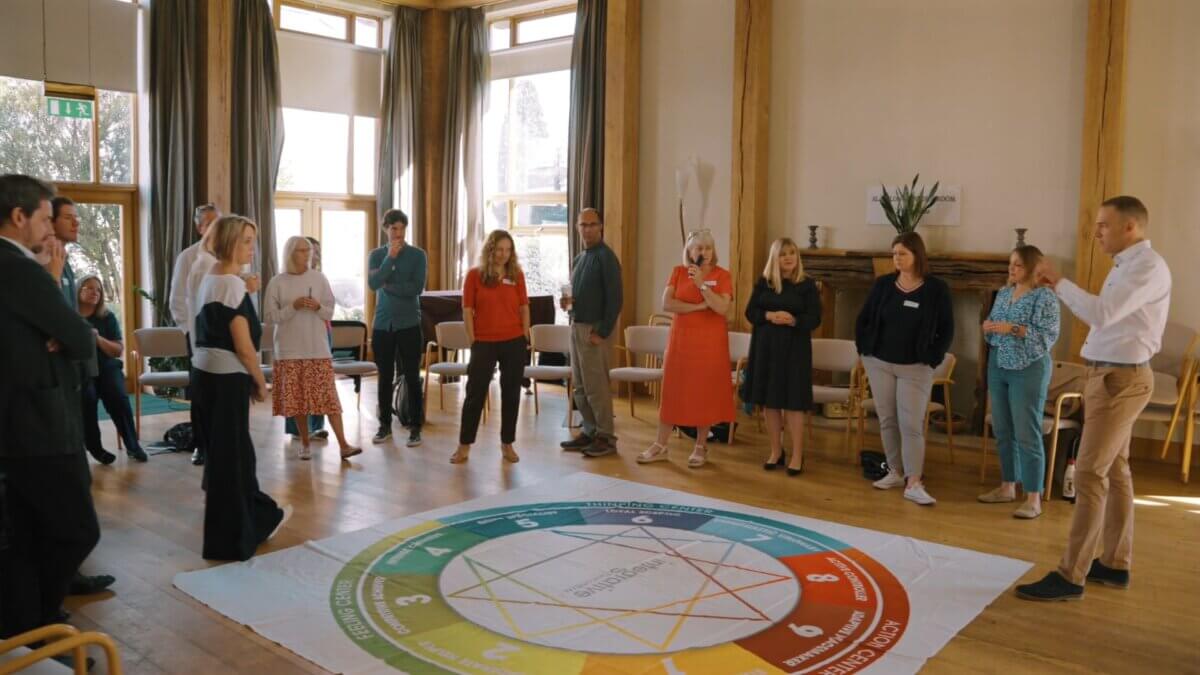
CoCreate is the UK’s largest and most experienced iEQ9 Enneagram provider for businesses.
We work with senior leaders, CEOs, and teams who carry strong Enneagram Type 1 energy, alongside all other types. Through coaching and team development using the iEQ9, we help leaders build on their strengths while reducing the personal and organisational cost of over-extension.
Discover our Enneagram services for business leaders and teams.
Want to continue exploring the Enneagram?
If you want to learn more about the Enneagram, each of the types or how you can harness the power of the Enneagram, here are some resources you might find useful:
If you would benefit from a coaching conversation, want to understand your Enneagram type more deeply, or are curious about how the Enneagram can accelerate team performance, get in touch.