



Enneagram 8 at Work: The Active Controller
If you’re an Enneagram 8 or you work with one, this will feel familiar. And as an 8 myself, a lot of this guide is written from personal experience!
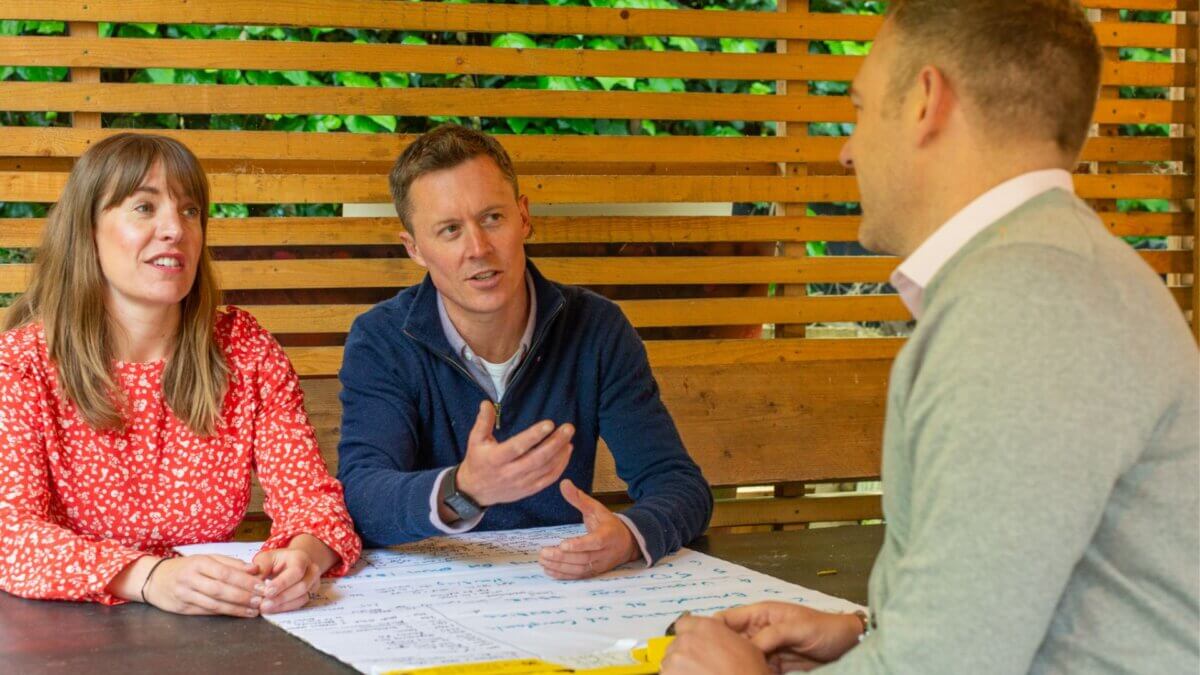
Work is rarely a neutral or passive experience for an 8. It is a place where power, control, fairness and impact are constantly being assessed. Who’s really in charge here? What needs to be done? Who’s competent, and who isn’t? Where do I need to step in?
Enneagram Type 8, often called The Active Controller or The Challenger, shows up at work as a force of energy. They are decisive, action-oriented and instinctively take charge when things feel unclear or ineffective. This is not because 8s are naturally domineering or power-hungry, but because they are deeply motivated to protect themselves and others from vulnerability, weakness or injustice.
At their core, 8s are driven by a powerful need: to be strong and not be controlled. When this need is met, Type 8 becomes a courageous, protective and highly impactful leader – someone others instinctively look to when things get tough.
What does Enneagram 8 look like at work?
Enneagram 8s bring intensity, decisiveness and momentum into their working lives.
As a body type, 8s lead from gut instinct. They are quick to act, quick to decide and often trust their immediate sense of what is right. They dislike excessive deliberation and can become frustrated when progress feels slow or overly cautious.
8s are often very certain. They may be wrong – but they are still certain. This confidence can be stabilising in moments of chaos, particularly in crisis situations where others freeze or hesitate. 8s tend to step in, take responsibility and put a plan in place quickly.
They have a strong radar for competence and integrity. 8s do not trust easily; they want to see people walking the talk. Are people engaged? Are they all in? Do they mean what they say? Once trust is established, however, it tends to stick.
8s often enjoy being around people and working with others, yet they also need time alone to reset. They are social animals with a strong independent streak – needing both connection and autonomy to function well.
Core Fear
At the heart of Enneagram Type 8 is a core fear of being humiliated, violated, or forced to acknowledge vulnerability or weakness.
For 8s, vulnerability does not just feel uncomfortable – it can feel dangerous. There is often a deep, unconscious belief that if weakness is exposed, control will be lost and harm will follow.
This fear explains why 8s work hard to appear strong, self-sufficient and unshakeable. It also explains why going toward fear or emotional exposure can feel like an identity crisis: If I’m not strong, who am I?
As a result, fear is often denied or pushed out of awareness entirely. Anger, by contrast, is readily available – quick to arise and quick to dissipate. Yet while anger passes fast, resentment or vengeance can be held for a very long time if trust is broken.
Motivations
Enneagram 8s are motivated by autonomy, strength, justice and impact.
They work best in environments where they have authority, influence and freedom to act. Micromanagement, bureaucracy or feeling controlled is deeply triggering and can provoke resistance or withdrawal.
8s want to make important things happen. They are energised by big challenges, high-stakes decisions and situations that require courage and resolve. They tend to back themselves, even when the odds are unclear.
Fairness matters. Many 8s – particularly Social 8s – are driven by a strong sense of justice and solidarity. They fight for what they believe is right and are deeply protective of people or teams they care about.
They are also highly sensitive to engagement. Are people committed? Are they showing up fully? Half-heartedness or perceived weakness can quickly erode an 8’s respect.
Strengths
At their best, Type Eights bring courage, protection and decisive leadership.
They are assertive and direct. 8s say what others avoid saying and move conversations toward action. This clarity can cut through confusion and inertia.
They are decisive under pressure. In crisis situations, 8s often shine. They trust their instincts, take charge, stabilise systems and create direction when it is most needed.
They are protective and loyal. Beneath the tough exterior is a big heart. 8s are fiercely loyal to people they trust and will go to great lengths to defend others from harm or injustice – the “teddy bear in hard boots.”
They are influential. 8s naturally expand their sphere of impact, shaping outcomes and mobilising others through sheer presence and conviction.
Weaknesses under stress
Under stress, the strengths of Enneagram 8 can become costly.
8s may become overly controlling or demanding, particularly when they sense incompetence or threat. What feels like necessary leadership to them can feel oppressive to others.
They often struggle to acknowledge vulnerability – both their own and others’. Displays of emotional fragility can trigger discomfort, irritation or dismissal.
Many 8s are unaware of their physical and emotional limits. They push their bodies hard, override exhaustion and ignore warning signs. In coaching, we frequently see 8s with repeated significant injuries or health crashes, only to return to the same pattern of overexertion. I myself have had 3 knee operations in the last 3 years!!
When energy finally runs out, 8s can crash hard. They may withdraw emotionally, become colder or retreat into isolation as a coping strategy. This shift can be confusing and painful for others who are used to their warmth, pace and presence.
Enneagram 8 in conflict: how do they respond?
Enneagram 8s are comfortable with conflict.
They tend to move toward it rather than away from it, preferring direct confrontation to unspoken tension. They value honesty and respect clarity over politeness.
However, their intensity can overwhelm others. 8s are often unaware of how strong their energy lands in the room, particularly for more sensitive types.
When conflict touches vulnerability or control, 8s may escalate quickly. Slowing down, listening and staying emotionally present – rather than dominating the exchange – is a key growth edge.
Enneagram 8 in teams and professional relationships
In teams, 8s often emerge as informal or formal leaders.
They bring energy, protection and direction. People often feel safer knowing an 8 is present, especially in uncertain or high-pressure environments.
At the same time, 8s can unintentionally create fear. Their strength, certainty and pace may silence or intimidate others or discourage challenge unless psychological safety is actively cultivated.
In relationships, 8s are loyal, generous and deeply protective. They value honesty and mutual strength. Vulnerability, however, remains a sensitive territory and often requires conscious effort.
Enneagram 8 jobs: what roles and leadership contexts suit this type?
Type 8s often thrive in senior leadership, operational, crisis-response and decision-heavy roles.
We frequently see Self-Preservation 8s in high-level Chief Operating or delivery roles, where they can oversee large, complex portfolios and maintain control of systems and resources.
They do best where authority is clear, action is valued and courage is required. Highly constrained or overly bureaucratic environments are exhausting unless 8s have genuine influence.
Growth and development for Type 8 leaders
Growth for Enneagram 8 centres on softening without losing strength.
This involves recognising limits – physical, emotional and relational – and allowing vulnerability without equating it with weakness. It also means learning that control is not the same as safety. My coach once suggested that it’s like I’m driving a tank through life, and from time to time, I need to stick my head out the top or even get out the tank.
A key growth edge for many 8s is giving people more time and space.
8s are quick to size people (and ideas) up. Trust is often granted (or withheld) based on an immediate assessment of competence, credibility and whether someone appears to be “walking the talk.” This instinctive judgement can be highly accurate – but it can also be limiting.
When 8s decide too quickly that someone is not capable, they may stop investing in that person’s development. Opportunities narrow, patience shortens, and potential goes unrealised. Over time, this can lead to homogenous teams made up only of people who operate with similar pace, confidence or communication style.
Growth involves slowing this process down. The same applies to how 8’s consider ideas.
As 8s mature, they learn to separate current capability from future potential. They recognise that people grow at different speeds, bring different strengths, and contribute value in different ways. Allowing time, support and challenge – rather than immediate judgement – enables stronger, more diverse teams to form.
This shift does not weaken the Eight’s leadership. It strengthens it.
At higher integration, 8s move toward Type 2: opening their hearts, naming fear and expressing care directly. I’m angry because I’m worried. I’m forceful because I’ve been hurt.
They also integrate the healthy aspects of Type 5: stepping back, gaining perspective, conserving energy and thinking more strategically about where their force is best applied.
At their best, 8s discover that true power includes discernment, patience and the willingness to invest in others, not just the ability to act decisively themselves.
Enneagram 8 subtypes at work
Type 8s show clear subtype differences, shaped by how they pursue pleasure and avoid pain.
- Self-Preservation 8s focus on control of resources, security and autonomy. Pragmatic, tough and resilient, they are often found in senior operational roles.
- One-to-One 8s are the most intense and emotionally charged 8. Highly relational, passionate and magnetic, with strong bonds and quick anger. Often mistaken for Type 4 due to emotional intensity.
- Social 8s are driven by solidarity and justice. Protective of groups, loyal to causes and motivated to fight for fairness and the collective good. Can often look like a Type 2.
All three share the same core motivation but can look very different day to day.
When Type 8 shapes organisational culture
At its best, a Type 8 culture is bold, protective and decisive. People feel defended, empowered and clear about direction.
At its worst, it can become intimidating, fear-driven or overly controlling. Vulnerability may be suppressed and dissent silenced.
Healthy cultures balance 8 strength with humanity, listening and restraint.
Drive change with the iEQ9 Enneagram
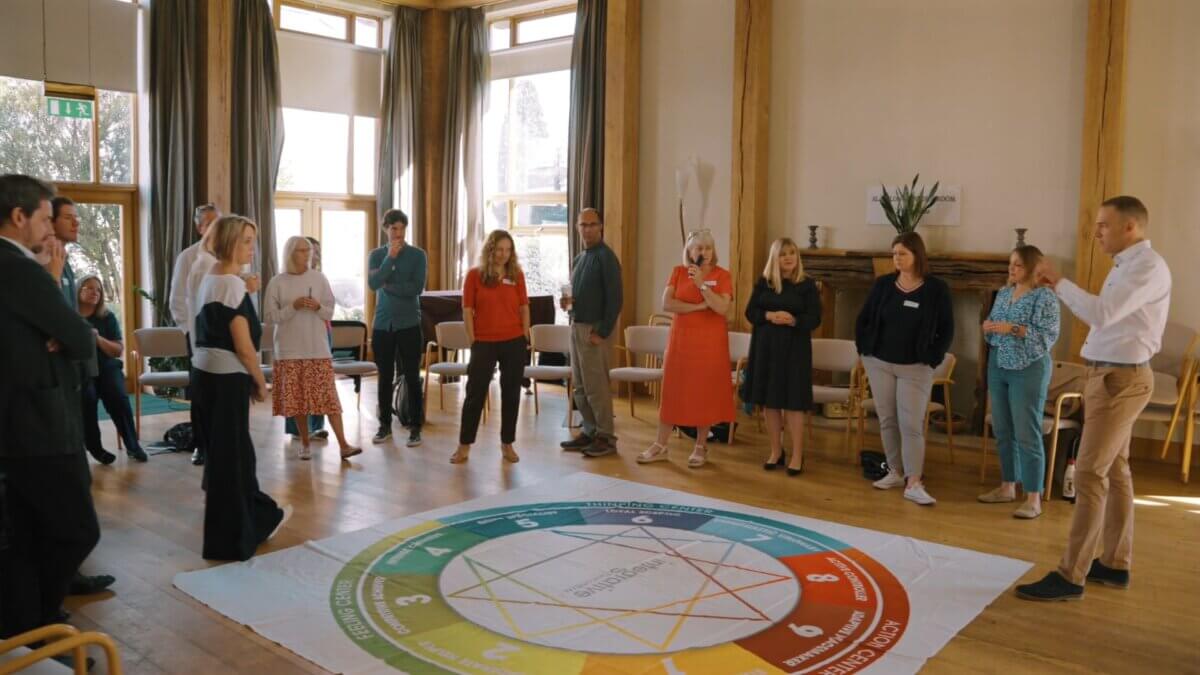
CoCreate is the UK’s largest and most experienced iEQ9 Enneagram provider for businesses.
We work with Enneagram Type 8 leaders, alongside all other types, across sectors, supporting senior leaders, teams and organisations through coaching and leadership development.
Discover our Enneagram services for business leaders and teams.
Want to continue exploring the Enneagram?
If you want to learn more about the Enneagram, each of the types or how you can harness the power of the Enneagram, here are some resources you might find useful:
If you would benefit from a coaching conversation, want to understand your Enneagram type more deeply, or are curious about how the Enneagram can accelerate team performance, get in touch.