



The hidden barriers to real change
In 2008, my wife and I decided to move to South Africa with our young family, planning to spend 18 months in Johannesburg as volunteers. We worked in some of the country’s poorest communities, including Diepsloot, one of South Africa’s most dangerous townships. My wife supported sex workers and trauma victims, while I ran a youth leadership programme for young people in the most deprived areas.
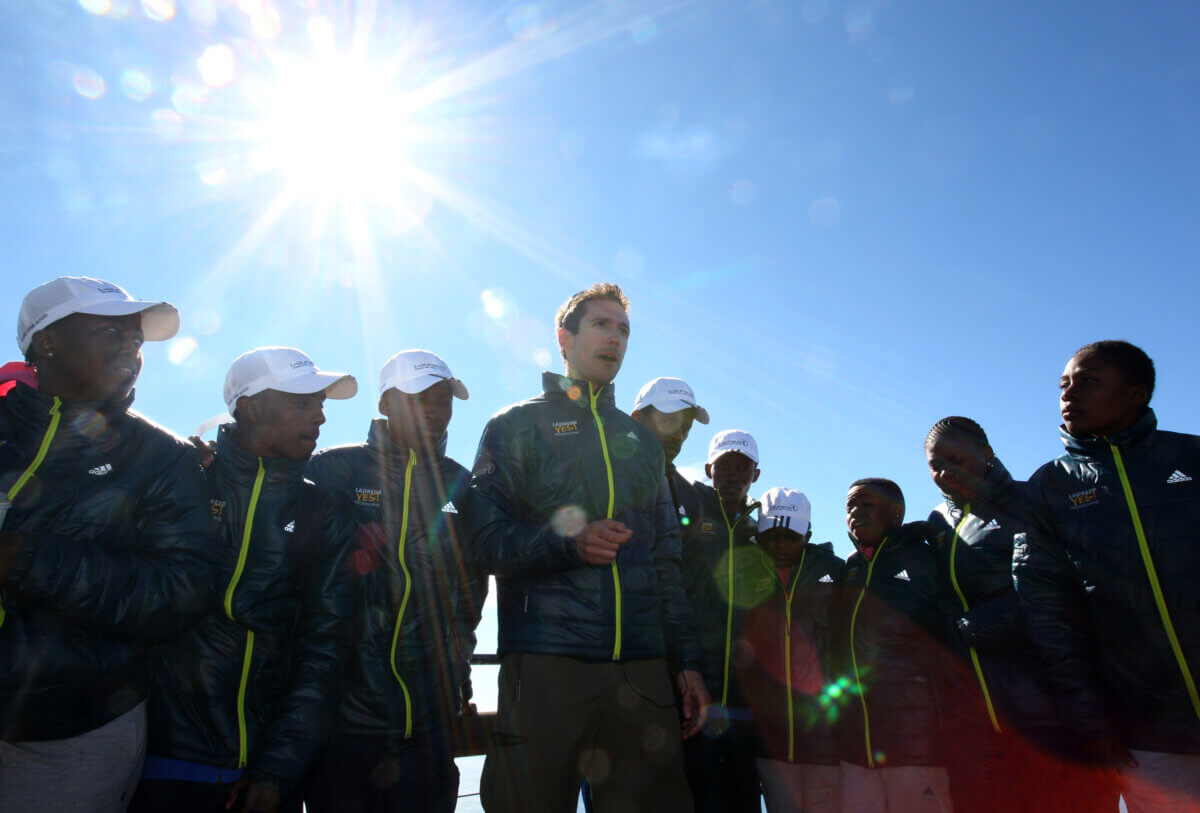
It was an extraordinary experience. But getting there took far longer than it should have.
Despite my repeated commitment, I kept delaying. I was clear about what I wanted to do, why it mattered, and what it would mean. And yet I stayed stuck. At the time, I couldn’t understand why.
Looking back, it is a pattern I now see everywhere in leadership and organisational change.
The hidden forces that hold us back
One of the biggest myths about change is that people resist it because they are disengaged or unwilling. In reality, most people want positive change. What they struggle with are the hidden forces pulling them back towards the familiar.
One way of understanding this is through the idea of Immunity to Change, developed by Robert Kegan and Lisa Lahey. Their research shows that we often fail to change not because we lack commitment, but because we are more deeply committed to something else.
In one well-known study of heart attack patients, only around one in seven people made and sustained the lifestyle changes they knew were essential. Not because they did not care, but because change threatened their identity, relationships, or sense of self.
This is what Immunity to Change reveals. We are often protecting ourselves, unconsciously, from perceived loss. It’s like driving with the handbrake on.
I could see this in myself. Alongside my desire to move, I was also committed to being needed in my work, maintaining financial security, and avoiding uncertainty. None of these were wrong. But together, they were strong enough to keep me where I was.
If any part of this resonates, you may find it helpful to read our article on how to overcome immunity to change.
When systems pull us back
Immunity to Change explains what happens inside us. But there is another force at play, especially in organisations.
The Three Horizons framework helps make this visible. Horizon One represents the current system, the dominant way of working, the patterns that define “how we do things around here”. Horizon Three represents the future we say we want. Horizon Two is the messy space in between.
Horizon One is powerful because it is visible, familiar, and valued. It carries identity, competence, and history. Horizon Three is often abstract and fragile by comparison.
From an adaptive leadership perspective, people do not resist change. They resist loss. And Horizon One represents real value that people are reluctant to let go of.
This is why change initiatives so often stall. Not because the future is wrong, but because the present still feels safer.
Motivation matters more than we think
There is a third, deeper layer. Motivation.
In my case, one of the strongest forces holding me back was the need to be liked and appreciated. My work gave me meaning through service and relationships. Leaving threatened my sense of usefulness, identity, and belonging.
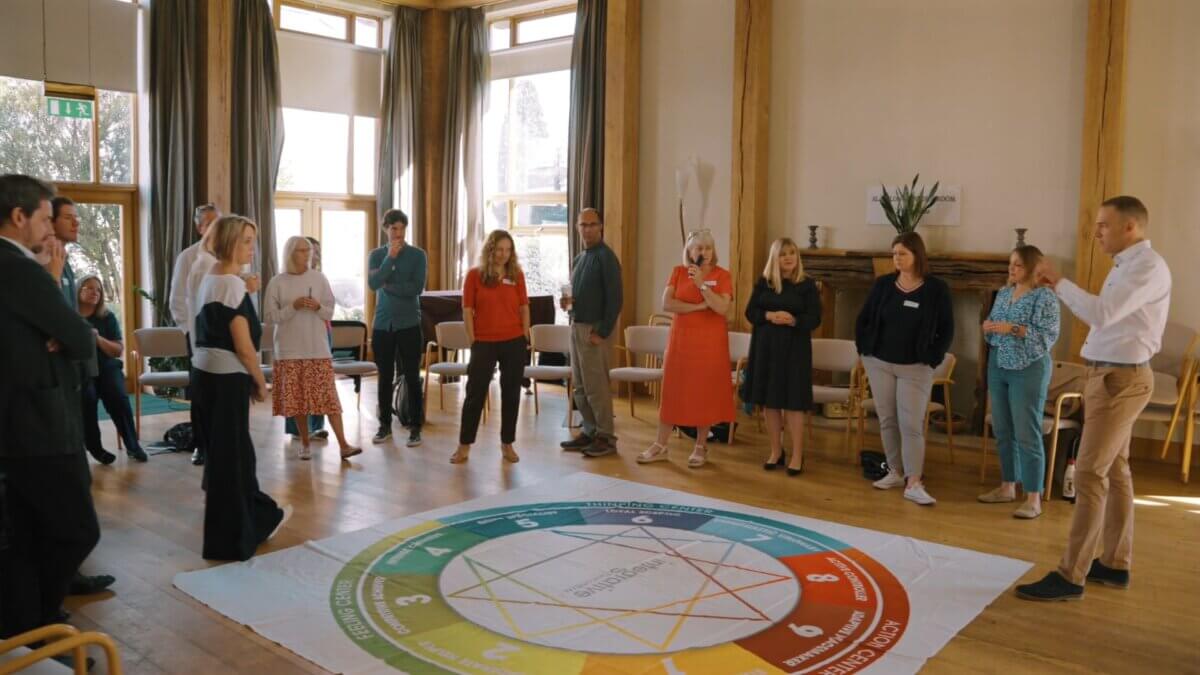
Frameworks like the iEQ9 Enneagram help make this visible. They show us what feels most at stake when we change. When change works against core motivation, resistance is not surprising, it is predictable.
This is true for individuals and for leaders. Certain changes feel existential, not technical. No amount of logic can override that.
So what helps real change happen
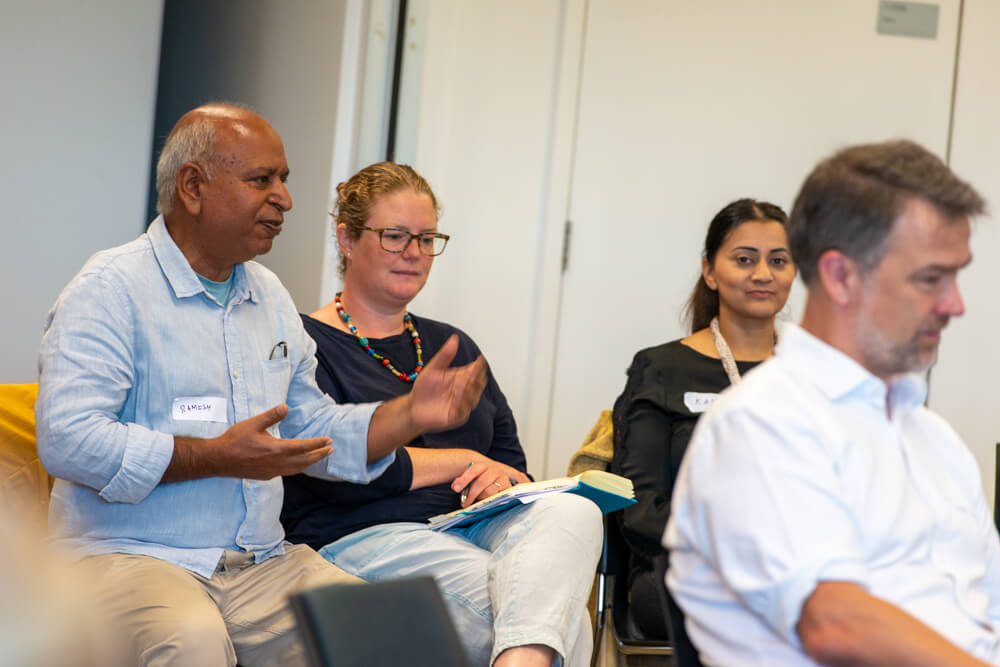
The common thread across all of this is noticing.
We cannot work with what we cannot see. Immunity to Change helps us notice our competing commitments. Three Horizons helps us notice the pull of the current system. Motivational frameworks such as the iEQ9 help us notice what feels at risk beneath the surface.
Real change is not about pushing harder. It is about seeing more clearly.
In the end, moving to South Africa meant letting go of Horizon One, facing my own Immunity to Change, and stepping into uncertainty before everything felt resolved. It was uncomfortable. It was risky. And it was transformative.
The same is true in organisations. Change becomes possible when we stop treating resistance as a problem to fix and start understanding the hidden barriers that are trying to protect something that matters.
If you’d like to find out more about how CoCreate helps organisations navigate complex change, we’d be glad to talk.