



Enneagram 3 at Work: The Competitive Achiever
Success matters to Enneagram 3. So does reputation and being seen as capable and effective.
Type 3s are driven by achievement and by the perception of success in the eyes of others. They tend to be high performers who are constantly scanning for where they can deploy their talents and deliver results. When goals are clear and progress is visible, they thrive. When success feels blocked or ambiguous, it can quickly become uncomfortable.
Enneagram 3s strongly identify with their image and with how they are perceived. Being seen as competent, successful and valuable is not superficial for this type – it is deeply tied to their sense of worth. This is what gives them their drive and momentum, and it is also what creates pressure.
In organisations, Type 3s show up as focused, energetic, delivery-oriented people who want to get things done and done well.
What does Enneagram 3 look like at work?
At work, Enneagram 3 is action-oriented and outcome-focused. They want clarity about the goal and a clear route to delivery. Long exploratory discussions or abstract conversations without traction can feel like wasted time. Type 3s want to know what success looks like and how they can help achieve it.
They are adaptable and highly responsive to context. Often described as the chameleons of the Enneagram, they are skilled at reading the room and adjusting their approach to fit what is required. This allows them to operate effectively across different environments and stakeholder groups.
3s are often sharply presented and conscious of image. This is not vanity so much as a signal of competence and credibility. They tend to bring pace, focus and energy into the workplace, and they can motivate others through their drive and confidence.
Because achievement comes first, Enneagram 3s may at times cut corners or become overly transactional. Under pressure, they can appear rushed, dismissive or overly focused on delivery at the expense of process or relationship.

Core Fear
Beneath the drive for success sits a fear of failure and insignificance.
The core fear of Enneagram Type 3 is not achieving and therefore not being valued or respected. Many 3s carry an unspoken question: who am I if I am not successful?
Failure can feel intolerable. Being seen as ineffective or unsuccessful can trigger deep anxiety. This fear fuels their commitment and energy, but it can also make them sensitive to criticism and highly reactive when their competence is questioned.
Because of this, Enneagram 3s often avoid situations that might expose weakness. Public failure is particularly difficult, and feedback is therefore usually better received privately, where dignity can be preserved.
Motivations
Enneagram 3 is motivated by achievement, recognition and progress.
They want to deliver results, and they want those results to be visible. Clear goals, metrics and milestones energise them. When success is defined and attainable, Type 3s bring focus and determination.
They are comfortable with responsibility and often enjoy roles where they can demonstrate impact quickly. They tend to be efficient, pragmatic and decisive, preferring action over prolonged reflection.
3s are often effective communicators. Once a goal is clear, they can articulate it clearly and rally others around it. They are skilled at presenting ideas with confidence, polish and clarity, which often makes them credible externally as well as internally.
While they can operate strategically, 3s tend to excel when strategy is closely linked to execution. Long-term thinking is most comfortable when it translates into tangible outcomes.
Strengths
When resourced, Enneagram Type 3s create strong performance environments. As leaders, they bring drive, energy and momentum. They are good at setting direction, clarifying priorities and pushing work forward. Their confidence and focus can be contagious, helping teams stay oriented towards delivery.
They tend not to dwell on conflict or interpersonal tension if it does not directly affect performance. This can create environments that feel efficient, harmonious and goal-focused.
3s are often comfortable giving tough feedback when it relates to results. They value competence, and they expect high standards of themselves and others.
At their best, they combine charisma, confidence and clarity, which helps others believe success is possible and worth pursuing.
Weaknesses under stress
Under stress, the strengths of Enneagram 3 can start to work against them.
Sensitivity to criticism increases – particularly if it feels public or shaming. If a Type 3 believes they have been set up to fail, they may begin to distance themselves from responsibility or reframe events to protect their image.
This is rarely deliberate deception. More often, it is self-deceit. 3s can start believing their own narrative about success or progress because staying aligned to an image feels safer than confronting disappointment or uncertainty.
In some cases, Type 3s avoid confronting failure directly. They may talk as if something has been delivered when it has not fully landed, or cut corners to preserve momentum.
At higher stress levels, disengagement can appear. 3s may step back emotionally or practically while maintaining the appearance of control, which can leave others carrying the consequences.
For 3s, growth often emerges through challenge or failure.
We worked with a highly successful chief executive whose organisation experienced a significant and very public failure. Under pressure, he initially avoided taking responsibility at the moment when honesty and authenticity mattered most.
Through coaching and development work, he was able to reflect honestly on this pattern. By acknowledging his own accountability in what had happened, he became a more credible and trustworthy leader. He has since rebuilt his career in a new organisation with greater balance, maturity and resilience.
Enneagram 3 in conflict: how do they respond?
For Enneagram 3, conflict is secondary to progress. If the goal is clear, they often see little value in prolonged debate or argument. Their instinct is to stay rational, pragmatic and focused on outcomes.
When conflict feels like it is blocking delivery, Enneagram 3s may become impatient or dismissive. If they feel cornered or threatened, competitiveness can surface quickly and they may become defensive or aggressive.
At the same time, their objectivity can be an asset. 3s are often able to bring conversations back to purpose by asking “what are we actually trying to achieve here” and “how do we move forward”.
Enneagram 3 in teams and professional relationships
In teams, Enneagram 3s are often engaging, charismatic and motivating. They build rapport easily and can create a positive performance atmosphere. Relationships are often friendly and functional, though sometimes lacking depth.
Check-ins or extended emotional conversations can feel unnecessary to this type. Pace matters and the risk is that speed overrides reflection, especially with colleagues who need more space to think or process.
The strength they bring is momentum. The challenge is slowing down enough to bring others with them.
Enneagram 3 jobs: what roles and leadership contexts suit this type?
Enneagram 3 thrives in jobs with clear goals and visible outcomes. As Type 3s tend to be persuasive, confident and effective at driving delivery, they tend to thrive in commercial advocacy and legal roles, as well as in executive leadership.
Chief executive roles can be a strong fit when success is clearly defined and aligned with values rather than image alone.
They struggle more in environments where success is ambiguous or where progress is hard to measure.
How to work effectively with Enneagram 3
Working well with Enneagram 3 requires clarity. Be direct, concrete and outcome-focused. Avoid being vague or abstract. Make expectations explicit.
Praise matters. Recognition reinforces motivation. If feedback is needed, give it privately rather than publicly. Public criticism can trigger strong defensiveness.
When challenging a 3, anchor the conversation in shared goals and outcomes rather than personal judgement.
Growth and development for Type 3 leaders
Growth for Enneagram Type 3 begins with slowing down. Learning to acknowledge the needs and perspectives of others without pushing past them builds trust. Paradoxically, this increases rather than diminishes confidence in their leadership.
Development often involves facing fallibility and accepting that worth is not dependent on constant success. When 3s allow themselves to be honest about doubt, failure or uncertainty, they become more authentic and credible.
Learning to take people with them rather than driving past them is a powerful shift.
Enneagram 3 subtypes at work
Each Type 3 expresses their motivation through a dominant instinct.
- Self-Preservation 3s are less showy and more quietly driven. They are prone to overwork and less likely to promote themselves.
- One-to-One 3s are charismatic and achievement-focused through others. They can be highly enabling team leaders.
- Social 3s are the most visibly ambitious. They seek prestige and achievement at scale and are often drawn to leadership on a public stage.
All share the same core drive but express it differently.
When Type 3 shapes organisational culture
At its best, a Type 3 culture is high-performing, focused and confident. Delivery is consistent and achievements are clearly communicated.
At its worst, it becomes image-driven and corner-cutting. Talking a good game replaces substance. Authenticity erodes and trust suffers.
Healthy organisations balance performance with honesty, depth and accountability.
Drive change with the iEQ9 Enneagram
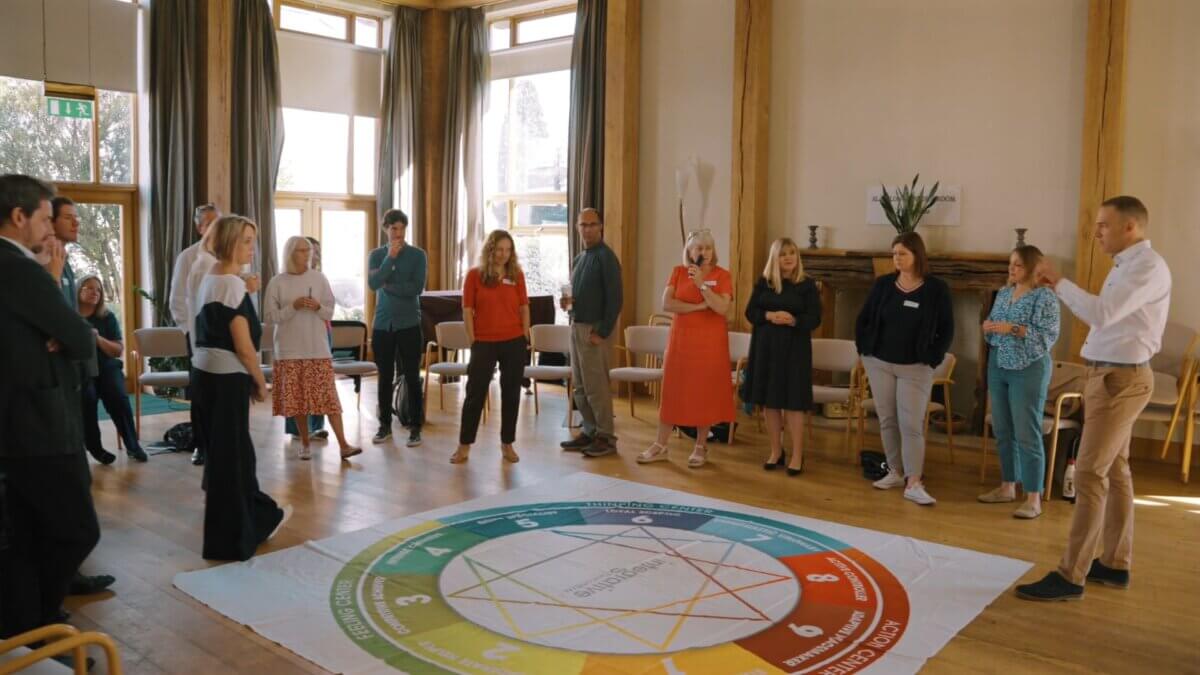
CoCreate is the UK’s largest and most experienced iEQ9 Enneagram provider for businesses.
We work with senior leaders, CEOs and teams who carry strong Enneagram 3 energy, alongside all other types. Through coaching and leadership development using the iEQ9, we support performance while strengthening trust, authenticity and sustainability.
Discover our Enneagram services for business leaders and teams.
Want to continue exploring the Enneagram?
If you want to learn more about the Enneagram, each of the types or how you can harness the power of the Enneagram, here are some resources you might find useful:
If you would benefit from a coaching conversation, want to understand your Enneagram type more deeply, or are curious about how the Enneagram can accelerate team performance, get in touch.