



Enneagram 4 at Work: The Intense Creative
For Enneagram 4, work is never just work. What drives this type is the need to be authentic, to express their inner truth and to live in alignment with who they really are. Type 4s are motivated by being unique rather than interchangeable, by depth rather than surface, and by meaning rather than convention.
They experience the world differently, and they know it. This difference is both their gift and their tension. In organisations, 4s bring originality, emotional integrity and creative insight, but they can also wrestle with belonging, comparison and feeling misunderstood.
At their best, they help organisations find meaning, voice and vision that would otherwise be missing.
What does Enneagram 4 look like at work?
In the workplace, Enneagram 4 is driven by the search for purpose and authentic contribution.
Enneagram 4s want their work to mean something. Generic, inauthentic or purely transactional tasks drain them quickly. When they find a role or project that feels like a calling, their energy, commitment and intensity are unmistakable.
They bring depth rather than speed. 4s are comfortable with complexity, ambiguity and emotional nuance. They can sit with difficult conversations and uncomfortable truths without needing to rush to resolution.
Creativity and originality are central. Type 4s are often imaginative thinkers, designers, storytellers and innovators. They approach problems from unexpected angles and are not bound by existing norms or the status quo.
Because they are deeply connected to their emotional life, they bring emotional realism into the workplace. They name feelings, both their own and others’, in ways many people avoid.

Core Fear
At the heart of Enneagram 4 is a fear of lacking identity. Type 4s often carry a sense that something essential is missing in them. They may believe others belong more easily, suffer less or possess qualities they themselves do not.
This can lead to envy and comparison, especially in environments where difference is not valued. They fear being misunderstood, overlooked or reduced to something generic. While they resist conformity, they also long to belong, which creates an ongoing tension between standing apart and wanting connection.
This fear can quietly shape how Enneagram 4s relate to teams and organisations, sometimes placing themselves on the edges while questioning why they feel separate.
Motivations
What motivates an Enneagram 4 at work is expression, meaning and being understood.
They want to bring their full self to what they do and to have that self recognised. Type 4s are energised when others grasp the depth and intention behind their ideas, not just the output.
They care deeply about the why. Purpose, narrative and meaning matter more than process for this type. When they can connect others to the emotional and human significance of work, they are powerful communicators and visionaries.
They are comfortable expressing both positive and difficult emotions. This emotional honesty can unlock creativity, innovation and engagement, particularly in cultures where feelings are usually suppressed.
Strengths
At their best, Enneagram 4s create environments where expression and individuality are welcomed. People are encouraged to speak for themselves rather than hide behind groupthink. Authenticity not only matters, it is actively valued and rewarded.
Type 4s are insightful and discerning. Their introspective nature allows them to see patterns others miss and to offer thoughtful perspectives grounded in a real understanding of people and context. 4s are bold in pursuing originality, and create environments where others feel enabled to innovate and take risks.
They can hold emotional complexity without becoming overwhelmed. This makes them strong listeners and capable companions during difficult change, crisis or uncertainty.
They are also willing to give honest feedback. 4s tend not to avoid uncomfortable truths and will name what feels real even when it is challenging.
Weaknesses under stress
Under stress, the same depth that gives Enneagram 4 their strength can become destabilising.
Type 4s may become overly identified with difficult emotions and lose sight of what is working. There can be a pull towards melancholy, frustration or a sense of unfairness, with positive realities slipping out of view.
Comparison intensifies under stress. Envy can show up as believing others have it easier or are more valued, reinforcing the sense of lack.
When demands from others become too great, 4s can feel emotionally overwhelmed. They may react strongly or withdraw altogether as a way of protecting themselves.
Defence mechanisms can include emotional amplification, withdrawal or rumination. While feelings remain honest, they may no longer be well regulated.
We see this pattern clearly in team settings.
One 4 we worked with was part of a global leadership team. He felt his authenticity was being overlooked and that he was being asked to deliver work he experienced as generic and meaningless. His comfort with strong emotional expression unsettled colleagues who were less attuned to feelings.
Through coaching and team development, he learned to take greater responsibility for how he communicated emotions, expressing them in ways the team could hear. At the same time, the team developed greater capacity to work with emotion as a source of insight rather than disruption. The result was a more balanced system that could hold both depth and delivery.
Enneagram 4 in conflict: how do they respond?
In conflict, Enneagram 4 leads with emotional truth. They are comfortable naming how they feel and tend not to soften their language to preserve surface harmony. This can be experienced as refreshing honesty or as intensity, depending on the context.
Type 4s are often triggered by feeling misunderstood, dismissed or emotionally minimised. When this happens, conflict can become personal rather than issue-focused.
At their best, their willingness to speak honestly brings issues into the open and helps teams move beyond avoidance. At their worst, emotional intensity can overwhelm others or derail progress.
Learning to regulate emotion without suppressing it is a central leadership task for this type.
Enneagram 4 in teams and professional relationships
In teams, Enneagram 4 brings passion, depth and emotional presence. They value real connection and prefer environments where people speak for themselves rather than hide behind roles or process. Self-expression tends to be spontaneous rather than structured.
They are often excellent listeners and are not put off by others’ pain or complexity. This can make teams with strong 4 energy more emotionally capable and resilient.
The challenge is balance. Enneagram Type 4s may be perceived as high maintenance or overly focused on feelings. Pace can slow and execution can suffer if emotional processing dominates.
Healthy teams benefit when 4 energy is complemented by structure and follow-through.
Enneagram 4 jobs: what roles and leadership contexts suit this type?
Enneagram 4 thrives in creative and expressive jobs. They are often found as artists, writers, designers, photographers, founders, innovators and creative directors.
They also bring value in roles that require vision, storytelling, marketing and meaning-making.
They flourish in environments where self-expression and authenticity are seen as essential to success rather than distractions.
Highly constrained or emotionally sterile environments are usually a poor fit.
How to work effectively with Enneagram 4
Working well with an Enneagram 4 requires authenticity. Be genuine and speak for yourself. Name challenges directly rather than hiding behind process or generalisation.
When collaborating, create the space for creative and original solutions. Avoid shutting ideas down prematurely or dismissing their ideas as unrealistic.
Balance feedback by naming what is working as well as what needs attention. Type 4s may miss the positive when under stress.
Avoid forcing 4s into generic roles or approaches. Choice and autonomy matter.
Growth and development for Type 4 leaders
Growth for Enneagram 4 involves balance. This includes learning to notice what is good as well as what is missing, and developing practices that support emotional regulation rather than rumination.
Leadership development often involves moving from reflection into action, turning depth of insight into quality of delivery. Structure does not diminish creativity for Type 4s, it sustains it.
Growth also includes shifting from “I” to “we”, learning to work with others’ needs and rhythms without losing self.
The movement from envy to equanimity is central. As 4s develop greater self-acceptance, emotional balance replaces comparison
Enneagram 4 subtypes at work
Each Enneagram 4 expresses their motivation through a dominant instinct.
- Self-Preservation 4s are more reserved and self-contained, often managing emotion internally.
- One-to-One 4s bring intensity and focus on depth of connection.
- Social 4s express difference in relation to the group and are often more visibly expressive.
All share the same core drive but express it differently.
When Type 4 shapes organisational culture
At its best, a 4-led culture is authentic, creative and meaningful. People feel able to bring their whole selves to work and originality is celebrated.
At its worst, the culture can become emotionally reactive, overly introspective and disconnected from delivery. Drama may replace progress and execution may suffer.
Healthy systems balance depth with discipline and creativity with action.
Drive change with the iEQ9 Enneagram
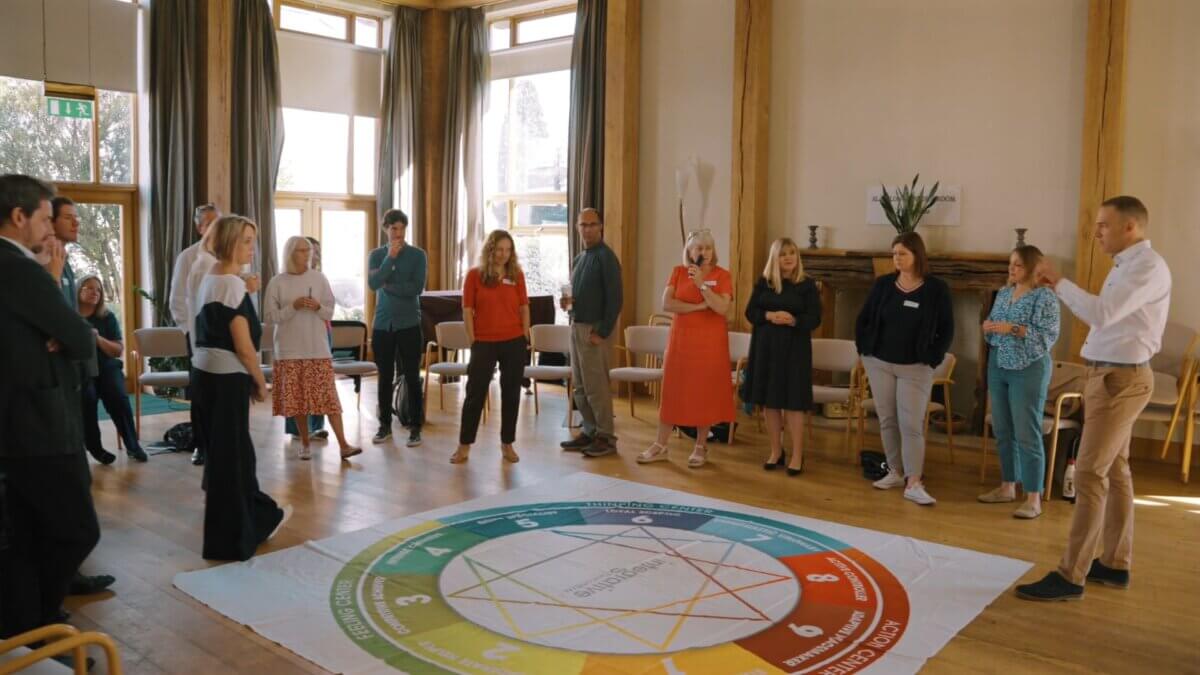
CoCreate is the UK’s largest and most experienced iEQ9 Enneagram provider for businesses.
We work with leaders, teams and organisations who carry strong Enneagram Type 4 energy, alongside all other types. Through coaching and team development using the iEQ9, we help leaders harness creativity and depth while strengthening delivery and collective performance.
Discover our Enneagram services for business leaders and teams.
Want to continue exploring the Enneagram?
If you want to learn more about the Enneagram, each of the types or how you can harness the power of the Enneagram, here are some resources you might find useful:
If you would benefit from a coaching conversation, want to understand your Enneagram type more deeply, or are curious about how the Enneagram can accelerate team performance, get in touch.